
Bloom Launch Pad
Your idea can start paying you next week.
Your business can start today. AI can help you build it.
Twelve weeks of live sessions that take you from an idea — or no idea yet — to a business you can sell from. AI does the heavy lifting on the research, the content and the presentation.

The programme, in five lines.
One group moves through the twelve weeks together. You pick the three sessions a week that fit your life, and you still cover every topic.
- 8:30–10:00
- 10:30–12:00
- 14:00–15:30
- 19:00–20:30
What you leave with.
A functioning, ready business that makes money. For the first two weeks, you start something small — the delivery, the price, the buyer — so everything after that is built on a real customer conversation, not on a plan.
A paying customer before your third week. What the earn-now weeks are for: one small job, delivered this week, paid for.
A chosen opportunity. Written down: the gap it fills and the customer it serves.
Evidence of demand. Ten real conversations and one test of whether someone will pay.
A named offer. A price, a promise, and a one-page document a client can say yes to.
A working demo. A prototype of the service you can put in front of a buyer.
A live site with payments. A website or landing page, with a way to collect money on it.
A content routine. Your first month of posts, and a way to keep producing them.
Twenty prospects. Named, with a follow-up system you will actually use.
A 90-day plan. What you do on the Monday after the programme ends.
What you earn depends on the work you bring and the market you sell into. The programme is built to get you to each of these; it cannot promise the result for you.
Not sure what to build? Start where the demand already is.
Four services you can deliver from a laptop with AI doing most of the production, to buyers who already have a budget for it.
Property marketing
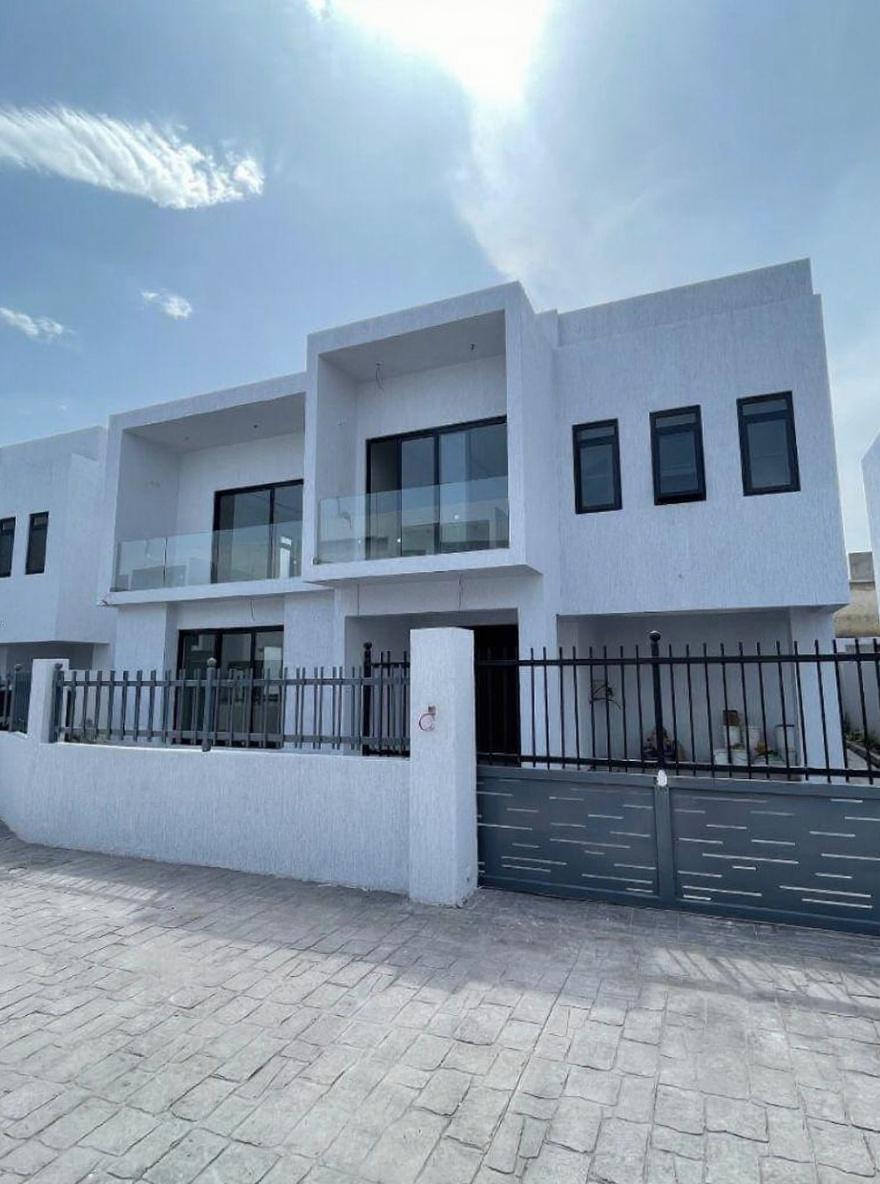

The same house, the same camera position. The right is a virtually staged render.
The problemA listing sits unsold because the buyer cannot picture the space, and the agent has no photographer on hand.
The serviceStudio-grade photographs, a walkthrough video and the listing copy, turned around in a day.
Who paysEstate agents, developers, landlords
Product presentation for manufacturers
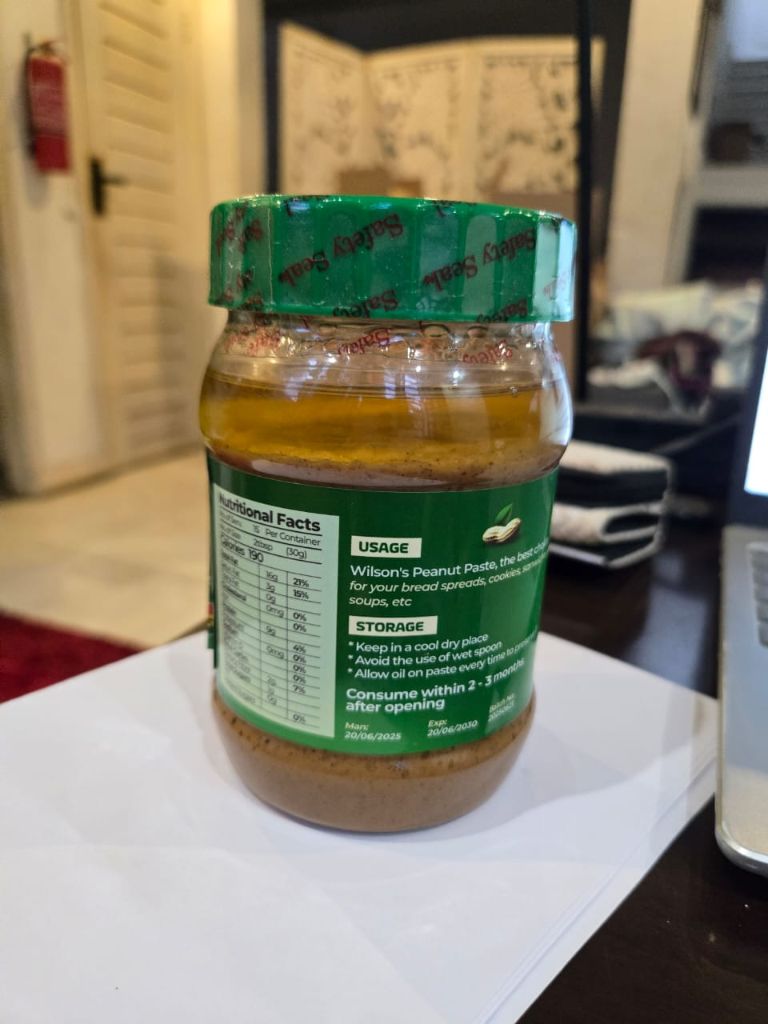
Wilson’s Peanut Paste — our own product. The full before-and-after is below.
The problemA good product photographed badly does not sell, and a factory has no studio and no writer.
The serviceUpdated product images, short product films, spec sheets and the marketing copy that runs across channels — all AI-assisted.
Who paysManufacturers, exporters, distributors
Constituent insight for public institutions

Briefings read, summarised and handed back as one page.
The problemAn office drowns in letters, requests and reports, and nobody on the staff has time to read them all.
The serviceSummarised briefs, a constituency dashboard, and the same work applied to committee papers.
Who paysMembers of Parliament, district assemblies, ministries, donor programmes
Corporate research and communications

Research, the report, and the writing that carries it out.
The problemA team spends three weeks on research and writing that a small vendor could turn around in three days.
The serviceMarket and competitor research, the report itself, and the writing that carries it out.
Who paysCorporates, NGOs, communications firms

The worked example
TradeBloom’s own studio work is the clearest picture of the method: the film above is product presentation, and the interior still is property marketing — the work this company started with and still does.
Week nine teaches it as one case. AI handles the retouching, the copy and the video edit. What you learn is the part AI cannot do — what to show, and what to leave out, for the buyer in front of you.
The same method carries into the other three sectors. A constituent brief and a product catalogue are the same job with a different buyer.
Product presentation, before and after.
The same jar, in the same hands. On the left is what arrives: a photograph taken on a phone, on a desk at home. On the right is what goes back: a studio film, lit and graded, with a voiceover, cut to sit on a product page, in a catalogue and across social. The retouching, the edit and the copy are AI-assisted; deciding what to show, and what to leave out, is the part we teach.
Property marketing, before and after.
A newly built kitchen that sat unsold. On the left is the photograph the agent had: bare floors, cables hanging from the ceiling, counters unfinished, no appliances — nothing for a buyer to picture. On the right is the same room from the same position, virtually staged: surfaces finished, appliances in, lighting on, the space furnished for the life that would be lived in it. Same building, same camera angle, one day apart. The staging and the walk-through are the service; the disclaimer on the image is part of the deliverable, not an afterthought.
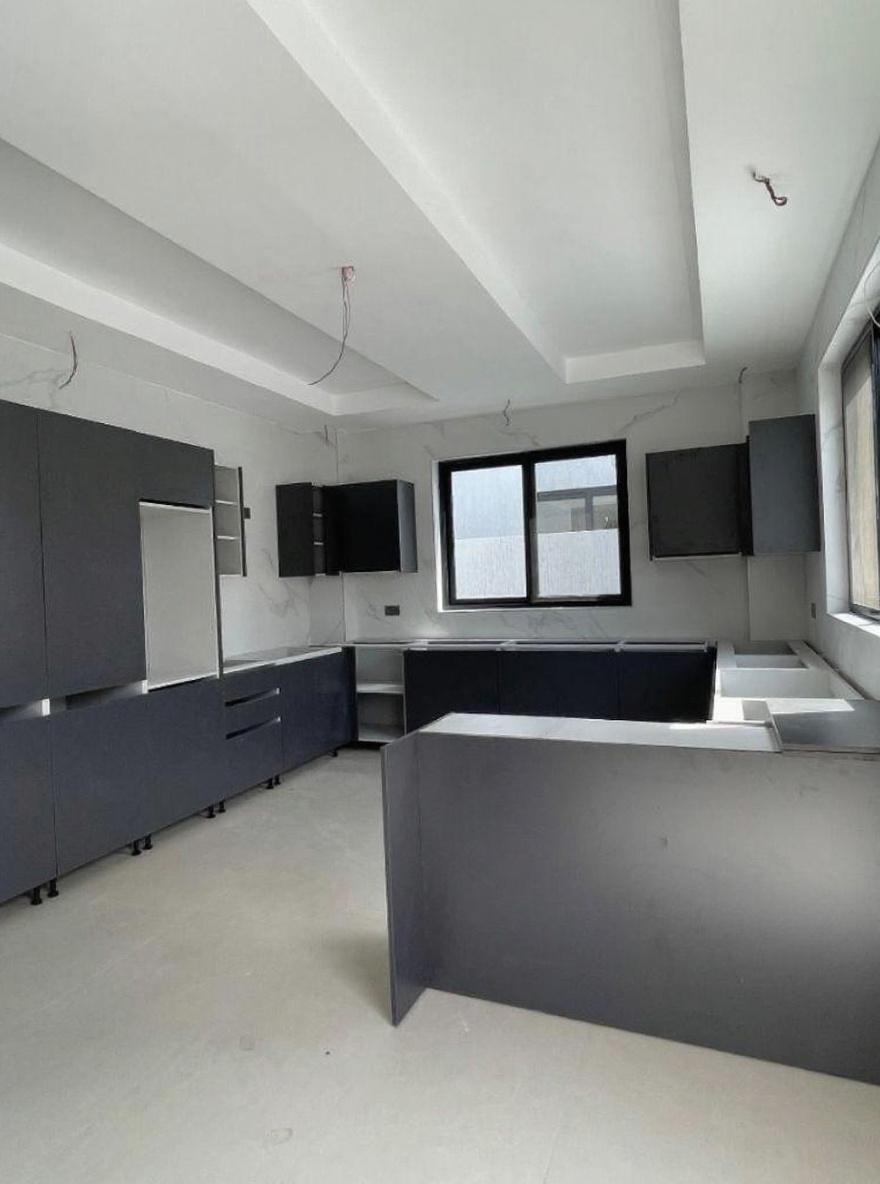
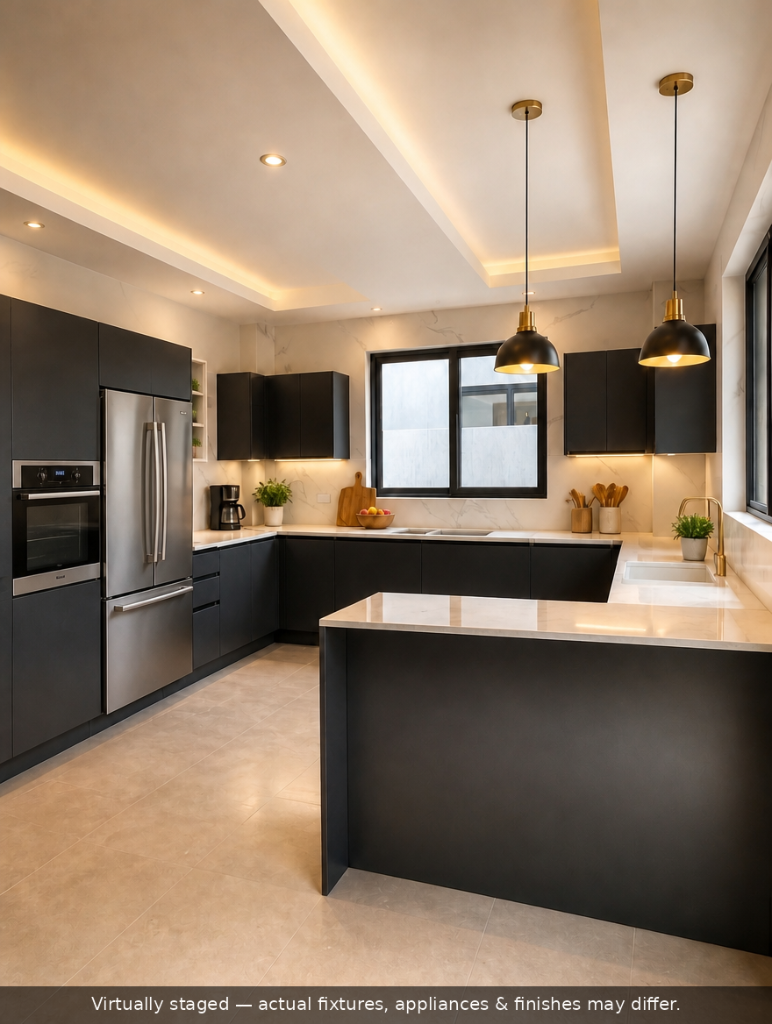
This is the business in one pair: a seller with new construction nobody can picture, and a deliverable that fixes it — staged stills, a walk-through film, and the disclosure that keeps it truthful.
How it works.
Six steps, in this order. The middle two are the twelve weeks.
-
01
Apply
A short form. Tell us what you want to build — or that you do not know yet.
-
02
Talk to us
Fifteen minutes on a call. We check the fit and answer what you would rather ask a person.
-
03
Join a group
The first instalment holds your place and you are assigned a starting slot block.
-
04
Earn
Weeks 1–2. Sell something small this week, deliver it, and get paid for it.
-
05
Build
Weeks 3–10. The opportunity, the offer, the prototype, the site, the payments.
-
06
Launch
Weeks 11–12. The selling routine, twenty prospects, demo day, your 90-day plan.
Who it’s for.
You do not need to code. You need a phone or a laptop, a few hours a week, and the willingness to talk to strangers about a problem they have.
You want an income stream, not a certificate.
You are young, in Ghana, and tired of waiting for a job to call back.
You have the idea and no technical resources.
No developer, no designer, no writer to hire. The programme is built for exactly that.
You know an industry from the inside.
Banking, property, agriculture, health, education — you have seen where it hurts and who pays to fix it.
You already run something small.
You want AI to carry more of the work, so the business stops needing all of you.
Also for the recently retired, the between-jobs, and anyone who is done with the side hustle.

Sheila Bartels
Founder, TradeBloom
Sheila Bartels served in Ghana’s Parliament before she started TradeBloom. The programme is built on what that work gave her: a working knowledge of how this country’s institutions buy services, and a network that reaches the people who sign.
That is the part of the programme a course cannot give you. The sessions teach the method; the founder’s network is how the first customers tend to arrive.
- Former parliamentarian, Republic of Ghana.
- TradeBloom’s product and property presentation work is where the method was worked out.
- Bloom Launch Pad is the same method, taught to the people who will run it themselves.
Proof, as it arrives.
There are no case stories yet. Group 1’s will go here as they come in — what each person built, what they charged, and what happened next.
Until then, the worked example above is the honest version of what the method looks like: product and property presentation, done by this studio, with the same tools you will be taught to use.
Apply for the next group.
Twenty-five places. Applying is free and takes two minutes; the place is held when the first instalment clears.
- To secure your placeGHS 1,000
- Start of week 5GHS 700
- Start of week 9GHS 700
- In allGHS 2,400
Group 1: 4 January – 25 March 2027. Registration closes 3 January 2027, and your place is held once the GHS 1,000 first instalment clears.